Summer Car Maintenance Tips: How to Protect Your Car During Summer in Perth
Summers in Australia can be brutal on your car, especially in Perth, where temperatures often exceed 35–40°C. Extreme heat puts extra strain on your engine, tyres, battery, air conditioning, and cooling system. Without proper summer car maintenance, drivers commonly face issues like engine overheating, tyre blowouts on hot asphalt, battery failure, and weakened A/C performance. These problems can quickly turn a normal drive into an expensive roadside breakdown.
The good news is that most summer car problems are preventable. With a few simple checks and routine maintenance, you can protect your vehicle, improve reliability, and drive confidently even during heatwaves.
In this guide, you’ll learn practical car maintenance tips for summer in Perth, including how to prevent engine overheating, protect tyres and batteries, and prepare your car for Perth’s extreme heat.
So, let’s discover the essential summer car care checklist that can keep your vehicle safe, efficient, and road-ready all season long.
Table of Contents
Quick Dos to Protect Your Car During Summer
For summer car maintenance starts with a few high-impact habits you can do today.
- Park in shaded areas whenever possible to reduce cabin temperature and protect paint, plastics, and upholstery from UV exposure.
- Use a windscreen sunshade to lower dashboard and steering wheel temperatures when the car is parked.
- Ventilate the car before driving by opening doors or windows for about 30–60 seconds to release trapped hot air.
- Use window tinting or side sunshades to reduce glare and prevent interior fading from prolonged sun exposure.
- Wash your car regularly during summer to remove dust, salt, and grime that can damage paint and clear coat.
- Monitor your dashboard temperature gauge while driving in extreme heat to detect overheating early.
- Carry a basic summer emergency kit including water, a torch, jumper leads, phone charger, and safety vest.
- Stay hydrated and take breaks during long drives, especially when travelling in hot weather conditions.
Next, it’s important to perform a pre-summer vehicle inspection to ensure all critical components are ready for high temperatures.
Pre-Summer Car Inspection Checklist
Before the first heatwave arrives, perform a basic vehicle inspection to ensure critical systems can handle hot weather conditions.
Component | Quick Check | Why It Matters |
Engine Oil |
| Keeps engine lubricated and prevents overheating. |
Coolant |
| Prevents engine overheating. |
Tyres |
| Reduces blowout risk and improves grip. |
Battery |
| Prevents sudden starting failures. |
Air Conditioning |
| Keeps cabin comfortable in extreme heat. |
Brakes |
| Ensures safe braking in hot conditions. |
Wipers & Washer Fluid |
| Maintains clear visibility. |
Lights |
| Improves safety and road visibility |
With your car prepared, the next step is understanding ongoing summer maintenance checks to keep your vehicle running reliably throughout the season.
10 Essential Summer Car Maintenance Checks Every Perth Driver Should Do
The most important summer car maintenance checks include inspecting engine fluids, monitoring tyre pressure and tread, testing the battery, checking the cooling system, confirming air-conditioning performance, and ensuring lights and safety systems work correctly.
Check #1: Inspect Engine Fluids and Cooling System
Hot weather increases engine operating temperatures, so your cooling system and engine fluids must be in excellent condition.
Start by checking these essential fluids:
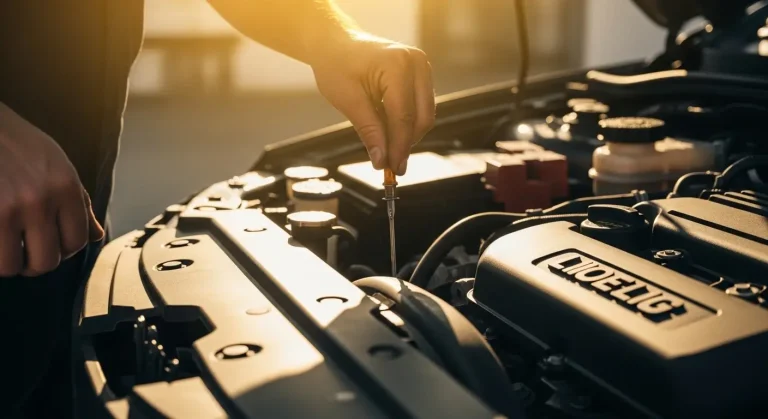
- Engine oil – Pull out the dipstick and confirm the oil sits between the MIN and MAX marks. Clean oil should appear amber or light brown. Very dark oil indicates it’s time for a change.
- Coolant – Inspect the coolant reservoir level and ensure the fluid colour is green, orange, or red depending on the type used in your vehicle. Brown or rusty coolant may indicate contamination or corrosion.
- Brake fluid – Ensure levels sit between the minimum and maximum markings. Low brake fluid can reduce braking performance.
- Transmission fluid – Automatic vehicles require adequate transmission fluid to shift smoothly and prevent overheating during long drives.
Engine coolant should typically be flushed and replaced every two years, although your owner’s manual will provide the exact interval.
Additionally, before heading on a summer road trip, also inspect around the radiator for:
- cracked hoses
- loose clamps
- coolant leaks
- damaged belts
- debris blocking airflow
Your radiator and cooling system are your engine’s main defence against car overheating in summer, so even small issues should be fixed early.
Check #2: Investigate Dashboard Warning Lights Immediately
Ignoring warning lights during summer can quickly turn a minor issue into a major mechanical failure.
The check engine light is designed to alert you that something in the engine or emissions system requires attention. While the cause may be simple. Such as a loose fuel cap, it could also indicate:
- faulty sensors
- misfiring engine components
- cooling system issues
- emissions system problems
If the warning light appears, have the car diagnosed and repaired before travelling, especially if you plan to drive outside the city or through remote areas.
Check #3: Change Engine Oil and Inspect Other Fluids
Engine oil plays a critical role in cooling and lubricating engine components. In hot weather, the oil must work harder to maintain proper engine temperature.
Low or dirty oil can lead to overheating, excessive friction, and engine seizure. Most vehicles require oil changes every 5,000–15,000 kilometres, depending on the oil type and engine design.
While performing an oil change, it’s also a good opportunity to inspect other essential fluids:
- Power steering fluid – ensures smooth steering operation
- Transmission fluid – keeps gears shifting properly
- Brake fluid – maintains safe braking performance
- Washer fluid – keeps windscreen visibility clear during dusty summer conditions
Always use the manufacturer-recommended fluid types and viscosity levels to protect internal components.
Check #4: Inspect Tyres and Wheels for Heat Damage
Tyres are the only part of your vehicle that touches the road. This makes them especially vulnerable to heat during summer.
Hot bitumen can raise tyre temperatures significantly. This increase wear and the risk of tyre failure. Start with a visual inspection:
- Check for cracks, bulges, or cuts on tyre sidewalls
- Look for uneven tread wear patterns
- Remove road debris such as small stones embedded in the tread
Regular cleaning also helps maintain wheel condition. Brake dust, road tar, and beach sand can damage alloy wheels over time. Use a mild wheel cleaner and soft brush to protect the clear coat and reveal any hidden damage.
Check #5: Monitor Tyre Pressure and Tread Depth
Heat causes tyre pressure to fluctuate. Driving on tyres that are overinflated or underinflated can increase the risk of blowouts, especially during long highway trips.
To maintain safe tyres:
- Check tyre pressure at least once every two weeks
- Always measure pressure when tyres are cold
- Compare readings with the recommended PSI listed on your vehicle’s door frame or owner’s manual
Do not release air from tyres immediately after driving, because heat temporarily increases pressure readings.
Likewise, inspect tread depth. It should ideally be 3mm or more for safe driving. If tread depth approaches the legal minimum of 1.5mm, replacement is strongly recommended.
Don’t forget to check the spare tyre, which is essential during road trips.
Need New Tyres for Summer Driving?
If your tyres show uneven wear, cracks, or low tread depth, it may be time for a replacement. Morley Tyre Centre stocks quality tyres for passenger cars, SUVs, 4WDs, EVs, and light commercial vehicles.
Check #6: Test Your Car Battery Before Summer
Many drivers believe batteries fail mainly during winter, but heat can actually shorten battery life even faster. High temperatures accelerate chemical reactions inside the battery, leading to internal damage over time.
To inspect your battery:
- Look for corrosion on battery terminals
- Ensure cables are securely connected
- Check for swelling or deformation of the battery case
Common warning signs of battery failure include:
- slow engine cranking when starting
- clicking sounds during ignition
- dim headlights or electrical issues
If your battery is older than three years, a professional battery inspection is recommended.
Check #7: Ensure Your Car Air Conditioner Works Properly
A well-functioning air conditioner is essential for driver comfort and safety during Australian summers. A faulty A/C system can make driving uncomfortable and increase fatigue during traffic or long journeys.
To test your air conditioning:
- Start the engine and turn the A/C to maximum cooling.
- Let it run for several minutes.
- Check if cool air flows evenly from all vents.
Watch for warning signs such as weak airflow, unusual noises, and unpleasant odours from vents. These symptoms may indicate low refrigerant gas, clogged cabin filters, or compressor issues. Most vehicles benefit from an A/C regas every one to two years, depending on usage.
Check #8: Inspect Transmission and Power Steering Fluid
Transmission fluid keeps gears lubricated and allows smooth shifting. To inspect it:
- Warm the engine.
- Keep the vehicle running.
- Shift through all gears.
- Check fluid levels with the transmission in Park or Neutral.
Healthy transmission fluid should appear red or amber and feel smooth. Dark or burnt-smelling fluid suggests internal wear. Power steering fluid should also be checked regularly:
- locate the steering fluid reservoir
- confirm fluid level sits between minimum and maximum marks
- ensure fluid appears clean
Low steering fluid can cause heavy steering and potential pump damage. If you frequently need to top up fluid, it may indicate a leak requiring professional repair.
Check #9: Test Vehicle Lights and Indicators
Lighting systems play a crucial role in road safety, especially during night driving or poor visibility conditions. Start with the headlights:
- inspect lenses for cracks, moisture, or cloudiness
- check both low and high beams
- clean lenses to improve brightness
Next, check brake lights by pressing the brake pedal while someone watches from behind. Brake lights should illuminate instantly and appear brighter than tail lights.
Moreover, test indicators and hazard lights:
- ensure front and rear indicators flash evenly
- fast blinking often means a blown bulb
- irregular flashing may indicate electrical problems
Finally, inspect parking and reverse lights to ensure they activate correctly.
Clean all light covers regularly and replace burnt bulbs promptly to maintain maximum visibility and legal compliance.
Check #10: Schedule Annual and Seasonal Mechanical Inspections
While many maintenance tasks can be done at home, a professional vehicle inspection is essential at least once per year. A qualified mechanic can check components that are difficult to inspect yourself, including:
- suspension systems
- timing belts
- brake components
- wheel alignment
- cabin and air filters
- cooling system pressure
Annual servicing typically includes:
- Engine oil and filter replacement
- Brake system inspection
- Fluid top-ups
- Tyre condition checks
Following manufacturer service schedules helps maintain vehicle reliability and resale value.
Once your vehicle passes these mechanical checks, the final step is learning how to protect your car in summer heat during daily use.
Tips to Protect Your Car in Perth’s Heating Summer
Below are some practical tips you can apply today to protect paint, interiors, tyres, batteries and cooling systems – the components most stressed by Perth’s climate.
- Park in shade (or move your car often)
Always park in shade or under cover where possible. Shade reduces cabin temperature, slows UV damage to paint and interiors, and keeps the under-bonnet area cooler. If shade isn’t available, try to rotate parking spots across the day so one side of the car doesn’t get baked all afternoon.
- Fit and use a quality windscreen sunshade — ventilate before you drive
Install a full-coverage windscreen sunshade. And use it every time you leave the car. Before you drive, open doors or windows for 30–60 seconds to push out trapped hot air. This reduces immediate cabin heat and lessens A/C load when you start driving.
- Consider paint protection film (PPF) or ceramic coatings for long-term protection
If you regularly park outside or drive coastal routes, PPF or a high-quality ceramic sealant will protect your paint from UV, bird droppings, and stone chips. Modern PPF often includes “self-healing” properties that reduce minor swirl marks when warmed by sunlight.
- Wash and wax regularly – rinse salt after beach trips
Wash your car after dusty or coastal drives to remove salt and abrasive grime that accelerates paint fade. Follow a gentle two-bucket wash. Then apply a spray sealant or wax. This sacrificial layer helps UV resistance and keeps colour depth longer.
- Condition leather and protect interiors
Use a leather conditioner every 4–6 months on leather seats and trims to prevent drying and cracking in hot, dry weather. Use sunshades, seat covers or window tint to reduce direct UV exposure on dashboards, steering wheels and upholstery.
- Replace wiper blades and check washer fluid
Dust and sand in summer shorten wiper life. Replace worn blades before storm season. And keep washer fluid topped up. Clear visibility is essential when heat, dust or sudden storms occur.
- Service the air conditioner – regas if cooling is weak
If your A/C feels weak, book a professional A/C health check. Most vehicles benefit from an A/C inspection/regas every 12–24 months. Vehicles used heavily in hot climates may need annual checks. Proper A/C means less driver fatigue and lower electrical strain on the battery.
- Watch tyre pressure closely – adjust to cold PSI and check fortnightly
Hot roads raise tyre pressures. Always check tyre pressure when tyres are cold and follow the manufacturer’s recommended PSI. As a rule of thumb, tyre pressure changes about 1 psi for every 5.5°C change in temperature, so pressures can increase significantly on long, hot days. Regular checks reduce blowout risk and improve fuel economy.
- Protect and test your battery before heatwaves
High heat accelerates battery wear. Have batteries older than three years load-tested, keep terminals clean and tightened. Avoid repetitive short trips that don’t fully recharge the battery. For EV owners, avoid back-to-back fast DC charging in peak heat where possible so the battery cooling system can maintain health.
- Carry a summer emergency kit and check roadside assistance
Pack cold water, a torch, jumper leads, a phone charger, a reflective vest and extra coolant. In Perth’s heat, a broken-down car can become a dangerous situation quickly. So, ensure your roadside assistance cover is current and adequate for long trips.
- Drive carefully in extreme heat – watch roads and yourself
On very hot days, sealed surfaces can soften and potholes/road deformities appear. Reduce speed over suspect surfaces. Avoid heavy braking and take regular breaks to prevent driver fatigue and dehydration.
Next, we’ll turn this practical advice into a clear maintenance schedule and explain when you should perform these checks and book professional servicing to keep your car reliable all summer.
Car Maintenance Schedules in Summer: When to Check & Service
Use your vehicle logbook as the baseline, but for Perth’s hot, dusty summers follow a more frequent “severe conditions” schedule. Following a summer-focused maintenance schedule reduces the risk of breakdowns, improves fuel economy and preserves resale value.
Easy Summer Maintenance Calendar
When | What to Check |
Weekly / Before long drives |
|
Fortnightly |
|
Monthly |
|
Every 6 months or ~10,000 km |
|
Pre-summer (once per year) |
|
Annually |
|
Every 2 years |
|
Major service intervals |
|
Important Car Service Intervals to Follow During Summer
- Engine Oil: Change every 5,000–15,000 km, depending on oil type. Synthetic oils last longer and handle high temperatures better.
- Coolant: Inspect yearly and flush every 2–3 years (or as recommended by your manufacturer).
- Air Conditioning: Check performance before summer; most systems need servicing or regas every 12–24 months.
- Battery: Test annually, especially if the battery is over three years old. Heat accelerates battery wear.
- Tyres: Rotate every 10,000 km and maintain ≥3mm tread depth for safer summer driving.
- Brake Fluid: Replace every 2 years to prevent moisture buildup that reduces braking performance.
- Timing Belt & Transmission: Follow manufacturer intervals, typically 60,000–160,000 km or 5–10 years depending on the vehicle.
Keep a service log (digital or paper): Record every service: date, odometer, parts replaced, and invoices. This helps with warranty claims and boosts resale value while ensuring your summer car maintenance plan is trackable.
Worried your car will leave you stranded on a 40°C Perth day?
When Summer Heat Reveals What Your Car Has Been Hiding
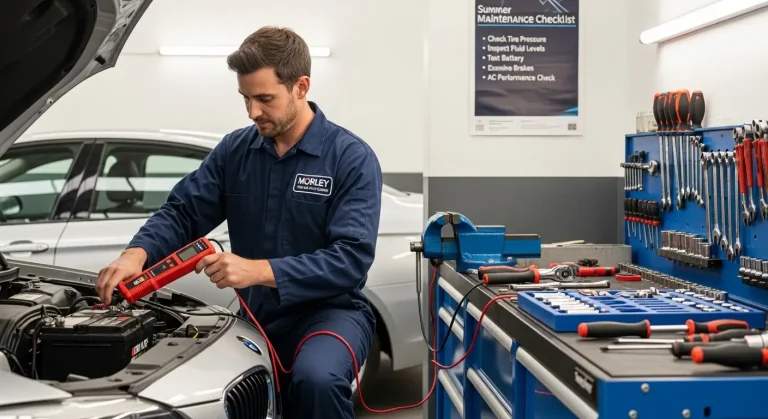
Perth summers have a way of exposing problems you didn’t even know existed. A small coolant leak becomes an overheating engine. A slightly tired battery suddenly won’t start. A worn belt that’s been holding on quietly finally gives up usually on the hottest day of the year, on the furthest stretch of road. That’s why a thorough mechanical check before the season peaks isn’t just smart, it’s genuinely worth it. Our Car Mechanic in Morley team inspects the components that matter most in extreme heat cooling systems, belts, hoses, brakes, fluids, and more so you’re not left guessing whether your car will make it through summer. We give you straight answers, a clear quote, and work you can trust.
Schedule Fast Pre-Summer Inspection at Morley Tyre Centre – Perth’s Tyre & Auto Experts
Don’t wait for a breakdown. Our pre-summer vehicle inspection focuses on cooling systems, tyres, batteries and A/C to prevent overheating and roadside failure. We serve Morley, Noranda, Bayswater, Bedford and Bassendean. And we’ll give you a clear checklist, safety fixes, and a transparent quote before any work.
So, let’s secure a slot before the next heatwave!
Book Your Pre-Summer Check Now
Final Thoughts
Perth summers don’t ease you in gently, they arrive hard and fast, and your car feels every degree of it. The good news is that staying ahead of the heat doesn’t require mechanical expertise or a big budget; it just takes a little attention before the temperature gauge climbs. Check your fluids, keep an eye on your tyres, test your battery, and make sure your A/C is actually doing its job. Small habits, like parking in shade, using a sunshade, and carrying a basic emergency kit, can genuinely save you from a stressful roadside situation on a 40°C afternoon. Think of summer car maintenance less as a chore and more as looking after something you rely on every single day. Get the checks done early, follow a simple seasonal routine, and you’ll spend the summer driving with confidence not anxiety.
FAQs
How often should I check my tyres in summer?
Check tyre pressure at least every two weeks (and always when tyres are cold). Inspect for sidewall cracks, bulges and uneven tread. Rotate tyres around every 10,000 km or at your next service.
When should I get my car’s coolant flushed/replaced?
Have coolant inspected yearly. Many vehicles benefit from a coolant flush every 2–3 years (follow your owner’s manual). In Perth’s heat, err on the side of earlier checks to prevent overheating.
How often should I test my battery for summer?
Test car batteries once or twice a year and before summer if older than three years. Heat speeds battery degradation and a simple load test can reveal impending failure.
How often does my car air conditioner need service?
Get an A/C health check before summer. Consider an A/C regas or service every 12–24 months depending on usage. Weak cooling or odours from vents mean it’s time for a professional check.
How soon should I book a pre-summer inspection in Perth?
Book a pre-summer inspection 4–6 weeks before peak heat season or any planned long trip. Local garages in Perth often fill up before heatwaves and school holidays.